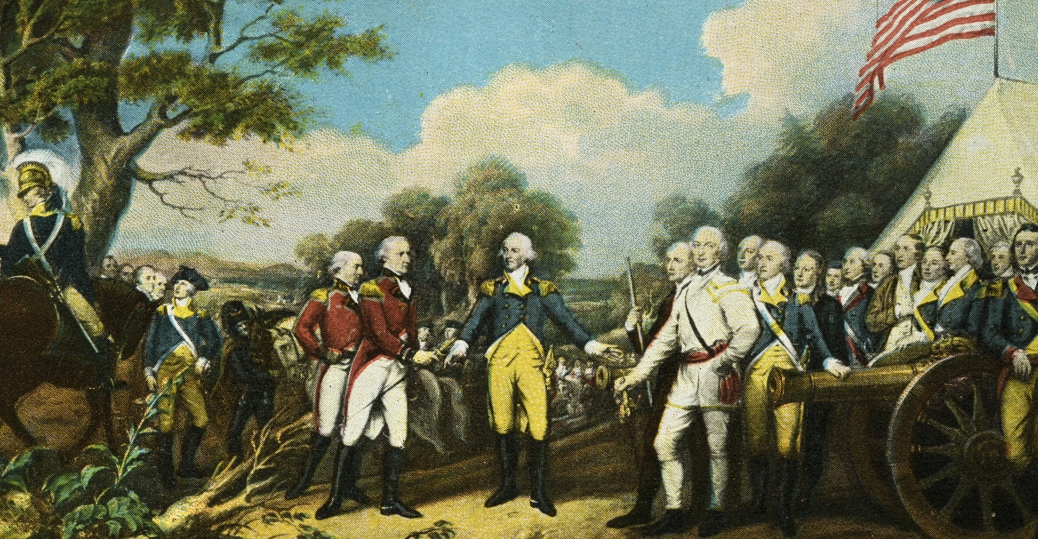
The American Revolution (1765-1783) stands as one of the most significant events in modern history, not only for the birth of a new nation but also for its profound impact on the development of democratic ideals around the world. What began as a dispute over taxation and representation between Great Britain and its American colonies evolved into a full-scale war for independence that would forever change the political landscape.
The Roots of Revolution
Tensions between Britain and its American colonies had been growing for decades before the first shots were fired at Lexington and Concord in 1775. Following the French and Indian War (1754-1763), Britain faced massive war debts and sought to raise revenue by imposing various taxes on the colonies, including the Stamp Act (1765) and the Townshend Acts (1767). The colonists, who had no direct representation in Parliament, protested these measures with the rallying cry "No taxation without representation."
Events like the Boston Massacre (1770) and the Boston Tea Party (1773) further escalated tensions, leading to the Intolerable Acts and the convening of the First Continental Congress in 1774. By 1775, the situation had become irreconcilable, and armed conflict began.
Key Moments and Figures
The American Revolution featured numerous pivotal moments and influential figures that shaped its outcome:
- Declaration of Independence (1776): Drafted primarily by Thomas Jefferson, the Declaration articulated the colonists' grievances against King George III and proclaimed the colonies' right to self-governance.
- George Washington: As Commander-in-Chief of the Continental Army, Washington's leadership and resilience were instrumental in the American victory.
- Battle of Saratoga (1777): This American victory convinced France to formally ally with the United States, providing crucial military and financial support.
- Battle of Yorktown (1781): The final major battle of the war, where British General Cornwallis surrendered to Washington's forces.
Global Impact
The American Revolution had far-reaching consequences beyond the shores of North America:
- It inspired other revolutionary movements, most notably the French Revolution (1789-1799).
- It established the United States as the first modern constitutional democracy.
- It challenged the idea of monarchy and divine right of kings.
- It influenced the development of democratic principles worldwide, including the spread of ideas about individual rights and representative government.
Legacy
The American Revolution's legacy endures to this day. The United States Constitution, ratified in 1788, remains a model of democratic governance, and the ideals of liberty, equality, and self-determination that emerged from the revolution continue to inspire people around the world.
While the revolution was not without its contradictions—particularly regarding slavery and the treatment of Native Americans—it marked a significant step forward in the pursuit of democratic ideals and laid the foundation for the modern world as we know it.