Beyond Dates and Battles
Wars and conflicts have shaped human civilization for millennia, but our understanding of them often remains limited to dates, battles, and military strategies. This narrow focus overlooks the complex social, economic, and psychological factors that drive conflicts—and the long-term impacts they leave on societies. This analysis explores the multi-dimensional nature of warfare and provides a framework for evaluating its causes, conduct, and consequences.
The Reality of Modern Conflict
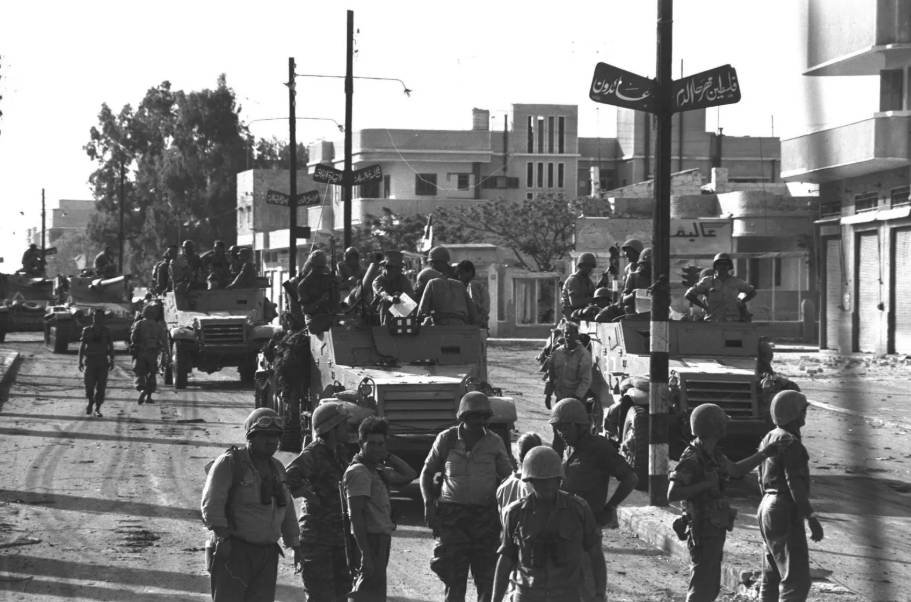
From studying post-WWII reconstruction efforts to analyzing contemporary asymmetrical warfare, researchers have observed that conflicts rarely follow linear narratives. In the Balkans, for example, what appeared as ethnic tensions were often fueled by economic disparities and political manipulation. Similarly, the ongoing conflicts in the Middle East demonstrate how historical grievances, resource competition, and external interference create intractable situations that defy simple solutions.
Current Approaches and Their Limitations
Modern conflict analysis typically focuses on three dominant frameworks: realist theories emphasizing state interests, constructivist approaches highlighting identity politics, and liberal theories promoting democratic peace. While each provides valuable insights, they often fail to account for the interconnectedness of factors. Realism, for instance, struggles to explain non-state actors like terrorist organizations. Constructivism sometimes overlooks economic drivers. Liberal theories have faced challenges in regions where democratic transitions have led to increased instability rather than peace.
A Multi-Dimensional Evaluation Framework
To overcome these limitations, we propose a five-layered framework for analyzing wars and conflicts:
- Structural Factors: Long-term conditions like economic inequality, resource scarcity, and geopolitical shifts
- Agential Dynamics: The role of leaders, organizations, and individuals in initiating and escalating conflicts
- Historical Context: How past events shape current perceptions and actions
- International Dimensions: External influences, alliances, and global power dynamics
- Human Security: The direct and indirect impacts on civilian populations
Core Elements of Conflict
When applying this framework, three critical components emerge:
1. Legitimacy and Narrative
Conflicts rarely succeed without perceived legitimacy. Both sides construct narratives that justify their actions, often invoking historical grievances or moral imperatives. In the Vietnam War, the U.S. framed its involvement as defending democracy, while North Vietnam presented itself as fighting colonial oppression.
2. Asymmetry and Adaptation
Most modern conflicts involve asymmetrical power dynamics, where weaker parties use unconventional tactics to counter stronger adversaries. The Taliban's use of guerrilla warfare against U.S. forces in Afghanistan demonstrates how adaptation and persistence can offset technological and numerical disadvantages.
3. Aftermath and Reconciliation
The end of hostilities rarely brings immediate peace. Post-conflict societies face challenges like rebuilding infrastructure, addressing war crimes, and fostering reconciliation. The success of South Africa's Truth and Reconciliation Commission offers valuable lessons in balancing accountability and societal healing.
Common Misconceptions and Failed Approaches
Several approaches consistently fail to resolve conflicts or prevent their recurrence:
- Military Dominance Alone: History shows that overwhelming force rarely leads to sustainable peace (e.g., U.S. interventions in Iraq and Afghanistan)
- Ignoring Local Context: Imposing external solutions without understanding local dynamics often backfires (e.g., the 1999 NATO intervention in Kosovo)
- Selective Memory: Failing to address historical grievances allows resentment to fester (e.g., ongoing tensions between India and Pakistan)
Data-Driven Insights
Recent studies provide concrete evidence supporting this framework:
- Research by the World Bank shows that countries with high levels of economic inequality are 30% more likely to experience civil conflict
- A 2023 study in the Journal of Peace Research found that conflicts involving non-state actors last an average of 14 years, compared to 7 years for state-to-state conflicts
- The Uppsala Conflict Data Program reports that civilian casualties now account for 60-80% of all conflict-related deaths, up from 5% in World War I
Practical Implications for Analysis
When analyzing a specific conflict, follow these steps:
- Map the Layers: Identify structural, agential, historical, international, and human security factors
- Trace Interconnections: Examine how different factors influence each other (e.g., how resource scarcity affects identity politics)
- Evaluate Narratives: Analyze how both sides frame the conflict and why these narratives resonate
- Assess Adaptation: Look at how parties adjust their strategies over time
- Consider Long-Term Impacts: Evaluate potential consequences beyond the immediate conflict
Reimagining Conflict Analysis
Wars and conflicts are not inevitable outcomes of human nature but rather complex systems shaped by multiple interacting factors. To truly understand them, we must move beyond simplistic narratives and embrace a holistic approach that considers both the macro-level dynamics and the human experiences at the micro level. This requires interdisciplinary collaboration—combining insights from history, political science, economics, psychology, and sociology.
The Future of Conflict and Analysis
As the world faces new challenges like climate change-induced resource conflicts and cyber warfare, our analytical frameworks must evolve. Emerging technologies like AI and big data offer opportunities to process complex information more effectively, but they also present risks like algorithmic bias. The most promising direction lies in integrating traditional analytical methods with innovative approaches that center human security and long-term sustainability. By doing so, we can develop more effective strategies for preventing conflicts and building lasting peace.