Understanding Politics & Leaders: Beyond Dates and Elections
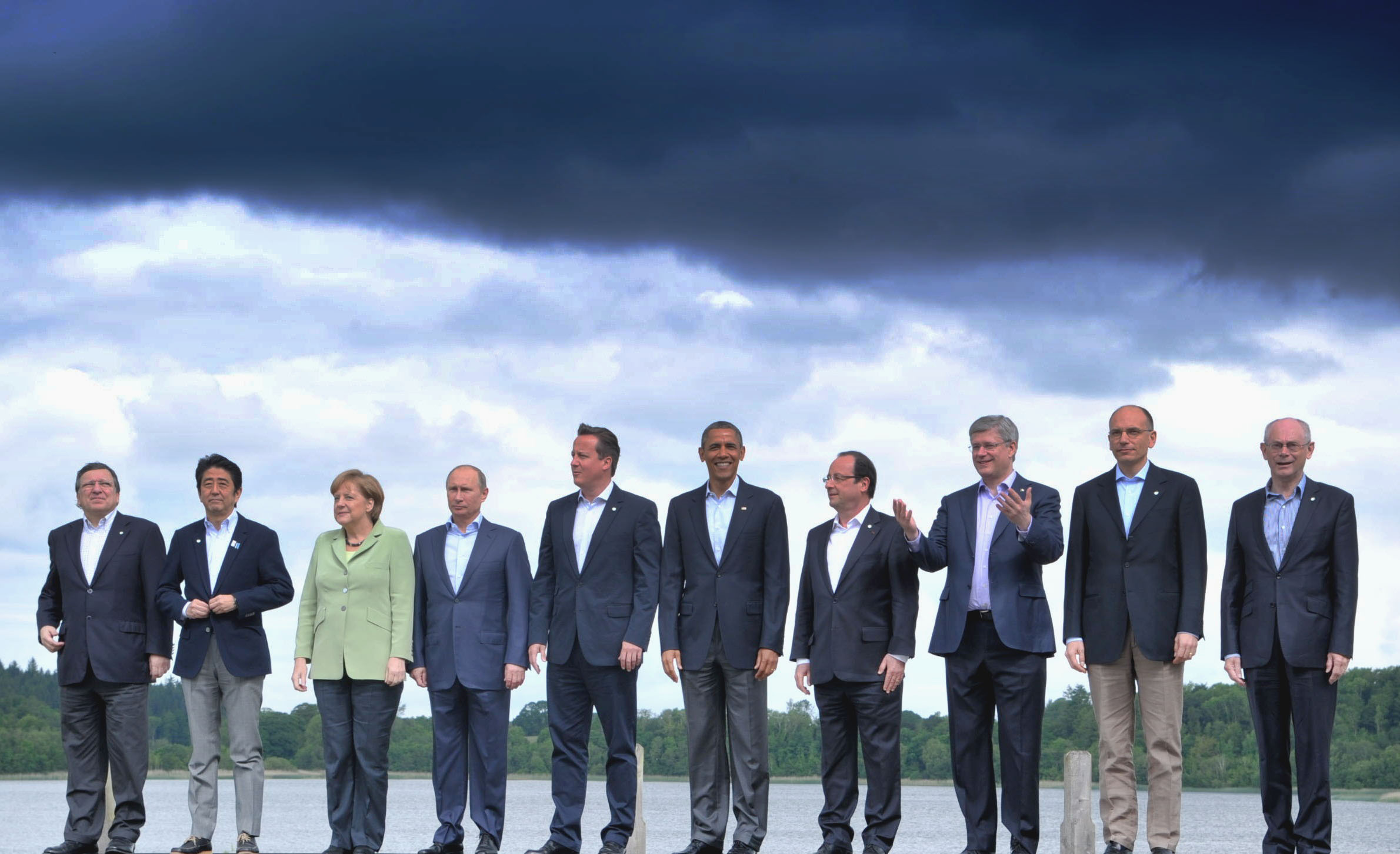
Politics and leadership have shaped human civilization since the dawn of organized society. Yet, traditional approaches to studying political history often focus on isolated events and individuals, missing the interconnected systems and underlying forces that drive change. This analysis examines how political structures and leadership styles evolve, and the challenges of maintaining effective governance in an increasingly complex global landscape.
The Historical Context of Political Power
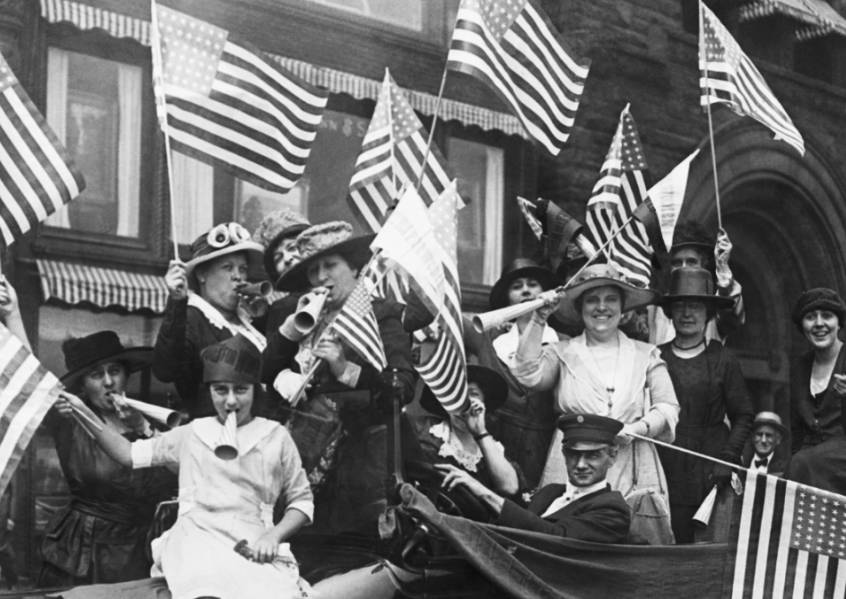
Throughout history, political systems have evolved from tribal councils to modern democracies and authoritarian regimes. Each system reflects the social, economic, and cultural realities of its time. For example, the rise of Athenian democracy was tied to the development of a merchant class that demanded political representation, while the Roman Empire's expansion necessitated a centralized authoritarian structure.
In modern times, we've witnessed the spread of democratic ideals following World War II, but also the rise of populist movements challenging established political norms. The Cold War era created a bipolar world order that shaped global politics for decades, while the post-Cold War period has seen the emergence of new power centers and transnational challenges.
Current Political Landscape and Challenges
Today's political landscape is characterized by growing polarization, declining trust in institutions, and the increasing influence of technology on the political process. In many democracies, political parties have become more ideologically extreme, making compromise difficult. Social media has transformed political communication, enabling direct engagement between leaders and citizens but also facilitating the spread of misinformation.
Authoritarian regimes have adapted to the digital age, using technology to monitor citizens and control information. At the same time, global challenges like climate change, pandemics, and economic inequality require coordinated international action, yet nationalism and protectionism are on the rise in many countries.
Analyzing Political Systems and Leadership
To understand politics and leadership effectively, we need a multidimensional framework that considers:
- Institutional Structures: How political power is organized, distributed, and constrained within a society
- Leadership Styles: The approaches leaders use to exercise power and influence (transformational, transactional, autocratic, etc.)
- Social Dynamics: The role of public opinion, interest groups, and social movements in shaping political outcomes
- Economic Factors: How economic systems and resources influence political decisions and stability
- Global Context: The impact of international relations and global trends on domestic politics
Key Elements of Effective Governance
Effective political systems share several core components that enable them to adapt and thrive:
- Accountability: Mechanisms that ensure leaders are responsible to the people they govern
- Transparency: Openness in decision-making processes and access to information
- Inclusivity: The participation of diverse groups in the political process
- Rule of Law: A system where laws apply equally to all, including leaders
- Adaptability: The ability to respond to changing circumstances and address emerging challenges
Leaders who effectively navigate these components can build stable, prosperous societies, while those who ignore them often face instability and popular unrest.
Lessons from Failed Political Systems
History provides numerous examples of political systems and leaders that failed due to their inability to address core governance challenges:
- The Soviet Union: Collapsed due to economic inefficiency, lack of political freedom, and an inability to adapt to changing global conditions
- Weimar Republic: Failed to address economic crisis and political extremism, paving the way for Nazi Germany
- Ancient Rome: The transition from republic to empire was marked by corruption, growing inequality, and a breakdown of democratic institutions
These examples demonstrate the importance of maintaining balance between central authority and individual rights, and the need for political systems to evolve with changing societal needs.
Supporting Data and Historical Trends
Research shows clear correlations between political stability and certain governance indicators. According to the World Bank's Worldwide Governance Indicators, countries with higher scores in voice and accountability, political stability, and rule of law tend to have higher economic growth rates and better social outcomes.
Historical analysis also reveals patterns in leadership effectiveness. Transformational leaders who inspire and mobilize citizens tend to leave longer-lasting legacies than transactional leaders who focus primarily on maintaining the status quo. For example, leaders like Nelson Mandela and Mahatma Gandhi transformed their societies by appealing to shared values and long-term vision.
Applying Political Insights to Modern Challenges
The lessons from political history have important applications for addressing today's global challenges:
- Climate Change: Requires international cooperation and effective governance structures to implement meaningful solutions
- Digital Governance: Demands new frameworks for regulating technology companies and protecting privacy
- Economic Inequality: Calls for policies that balance growth with equity and opportunity
- Global Health: Highlights the need for coordinated responses and investments in public health infrastructure
Effective leadership in these areas requires the ability to communicate complex issues, build consensus, and implement sustainable solutions.
Reimagining Political Leadership for the 21st Century
As we navigate the challenges of the 21st century, political leadership must evolve beyond traditional models. The most effective leaders will be those who:
- Embrace inclusivity and diverse perspectives
- Leverage technology for transparency and engagement
- Balance short-term needs with long-term vision
- Foster collaboration across political divides
- Lead with integrity and ethical decision-making
Political systems that encourage these leadership qualities will be better equipped to address the complex challenges of our time.
The Future of Politics & Leaders
Politics and leadership are not static concepts but dynamic forces that shape and are shaped by society. By understanding the historical context, core components, and challenges of political systems, we can work towards more effective governance and leadership.
The future of politics will likely be characterized by greater interconnectedness, increased citizen participation through technology, and the need for more flexible governance structures. Those who study and practice politics must adapt to these changes, focusing on building systems that are responsive, inclusive, and capable of addressing the global challenges that lie ahead.