Beyond Destruction
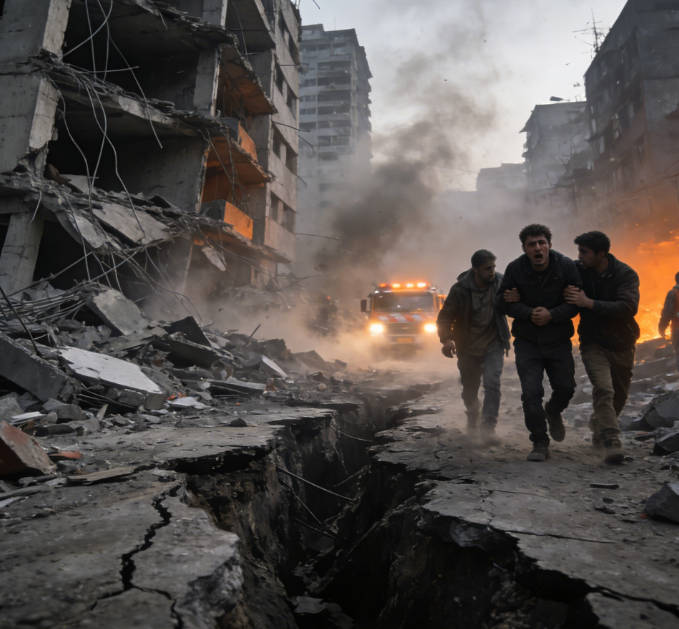
Natural disasters have shaped human history since the dawn of civilization, yet our understanding of them often remains limited to images of destruction and statistics of loss. This narrow view overlooks the complex social, economic, and environmental dimensions that define disasters and their aftermath. This analysis explores the multi-dimensional nature of natural disasters and provides a framework for evaluating their causes, impacts, and our collective response.
The Reality of Catastrophic Events
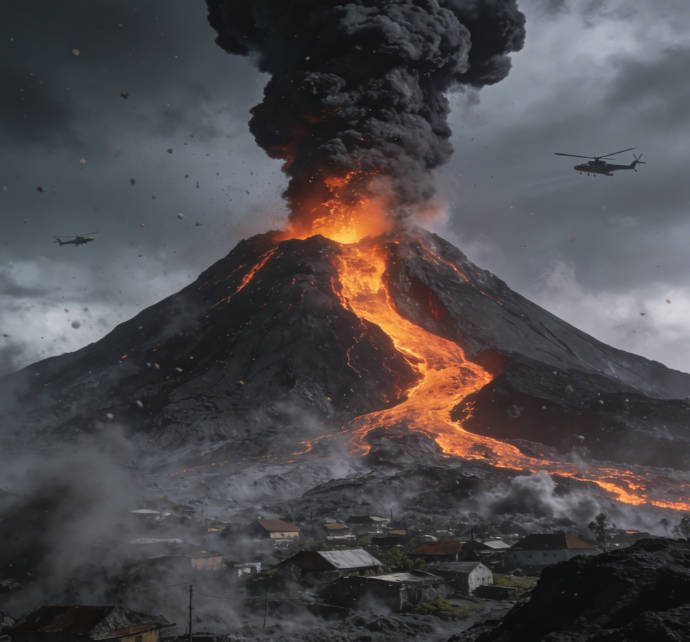
From studying ancient volcanic eruptions to analyzing modern hurricanes, researchers have observed that disasters are not just natural events but the result of complex interactions between natural hazards and human vulnerabilities. The 1906 San Francisco earthquake, for example, was devastating not just because of its magnitude but because of poorly constructed buildings and ineffective emergency response systems. Similarly, the 2004 Indian Ocean tsunami highlighted how inadequate early warning systems and coastal development exacerbated the disaster's impact.
Current Approaches and Their Limitations
Modern disaster analysis typically focuses on three dominant frameworks: hazard analysis emphasizing physical characteristics of disasters, vulnerability assessment examining human and societal factors, and risk management focusing on mitigation and response. While each provides valuable insights, they often fail to account for the interconnectedness of factors. Hazard analysis, for instance, struggles to explain why similar events have vastly different impacts in different locations. Vulnerability assessment sometimes overlooks the role of environmental degradation in increasing hazard frequency. Risk management often prioritizes short-term response over long-term resilience.
A Multi-Dimensional Evaluation Framework
To overcome these limitations, we propose a five-layered framework for analyzing natural disasters:
- Hazard Dimension: The physical characteristics and triggers of the disaster
- Vulnerability Dimension: Human and societal factors that increase susceptibility
- Impact Dimension: The immediate and long-term consequences for communities and ecosystems
- Response Dimension: The emergency, recovery, and reconstruction efforts
- Resilience Dimension: The capacity of communities to prepare for, withstand, and recover from disasters
Core Elements of Disaster Dynamics
When applying this framework, three critical components emerge:
1. Human-Nature Interactions
Disasters are not just acts of nature but the result of how humans interact with their environment. Deforestation, for example, increases the risk of landslides and floods by removing natural barriers and disrupting water cycles. Urbanization in floodplains puts more people and infrastructure at risk of flooding. Understanding these interactions is essential for effective disaster management.
2. Inequity and Vulnerability
Vulnerability to disasters is not evenly distributed. Marginalized communities—including low-income populations, racial and ethnic minorities, and people with disabilities—often face disproportionate risks and impacts. The 2005 Hurricane Katrina, for example, disproportionately affected low-income African American communities in New Orleans, highlighting how social inequities intersect with disaster vulnerability.
3. Recovery and Transformation
Disasters can be catalysts for positive change. The 1995 Kobe earthquake in Japan led to significant improvements in building codes and disaster preparedness. Similarly, the 2010 Haiti earthquake spurred international collaboration on disaster risk reduction. Understanding how communities can recover and transform after disasters is key to building resilience.
Common Misconceptions and Failed Approaches
Several approaches consistently hinder effective disaster management:
- Natural Disaster Myth: Treating disasters as purely natural events rather than human-nature interactions, which can lead to blaming victims for their vulnerability
- Response-Oriented Thinking: Focusing almost exclusively on emergency response while neglecting long-term preparedness and mitigation (e.g., rebuilding in high-risk areas without reducing future vulnerability)
- Top-Down Management: Implementing disaster policies without involving local communities, which can lead to ineffective solutions that don't address local needs
Data-Driven Insights
Recent studies provide concrete evidence supporting this framework:
- Research by the United Nations Office for Disaster Risk Reduction (UNDRR) shows that investing $1 in disaster preparedness can save $7 in response and recovery costs
- A 2023 study in the Journal of Environmental Studies and Sciences found that communities with strong social networks recover 30% faster from disasters than those without
- The World Bank reports that climate change is expected to increase the frequency and intensity of natural disasters by 26% by 2030, highlighting the urgent need for adaptive measures
Practical Implications for Analysis
When analyzing a specific natural disaster, follow these steps:
- Examine the Hazard: Analyze the physical characteristics and triggers of the event
- Assess Vulnerabilities: Identify the human and societal factors that contributed to the impact
- Evaluate Impacts: Consider the immediate and long-term consequences for communities and ecosystems
- Analyze Response: Examine emergency, recovery, and reconstruction efforts
- Assess Resilience: Evaluate the community's capacity to prepare for and recover from future disasters
Reimagining Disaster Analysis
Natural disasters are not just random events but complex systems that reflect our relationship with the natural world. They challenge us to rethink how we build cities, manage resources, and support vulnerable communities. To truly understand disasters, we must move beyond simplistic narratives of heroism and victimhood and embrace a holistic approach that considers their multi-dimensional nature. This requires interdisciplinary collaboration—combining insights from earth sciences, sociology, economics, and urban planning.
The Future of Disaster Management
As climate change increases the frequency and intensity of natural disasters, our approach to disaster management must evolve. Emerging technologies like early warning systems, remote sensing, and AI offer new opportunities to improve preparedness and response. The most promising direction lies in approaches that prioritize equity, sustainability, and community engagement. By adopting this holistic perspective, we can build more resilient communities that are better prepared to face the disasters of the future. The key to effective disaster management is not just responding to events but transforming our relationship with the natural world to reduce vulnerability in the first place.